
I joined FLOW HAUS PROJECT on 15 September 2026, and as I look back on my first month, I am beginning to understand why starting a new role can feel both familiar and challenging at the same time. Some parts of the work draw on skills I have developed over the years, while others are teaching me to look at the hospitality industry from a different perspective.
Coming from a background in PR and Marketing Communications, I have spent much of my career learning how to communicate a brand, understand its audience, build relationships, and find ways to bring its story to more people. Now, as I explore more of the Sales, Marketing, and Partnerships side of the business, I am beginning to understand how those skills connect to something beyond visibility and communication: the commercial side of hospitality.
It is an interesting transition because I am not starting from scratch, but I am also far from knowing everything I need to know. I am learning about partnership arrangements, commercial terms, sales opportunities, and the different ways each F&B concept can create value for its guests and business partners, all while figuring out how to apply what I already know in a new context.
The more I learn, the more I realize that career growth does not always require leaving your previous experience behind. Sometimes, it means bringing those experiences with you while learning to see the bigger picture.
From PR and Influencer Relations to Commercial Partnerships
In my previous roles, I worked with media and influencers, where partnerships were often about getting a brand in front of the right audience, creating exposure, and strengthening its visibility. The work involved understanding the brand, identifying suitable people to collaborate with, communicating expectations, and maintaining relationships throughout the process.
Before moving further into Sales and Partnerships, I spent much of my time working in PR and Marketing Communications, an experience I explored in more detail in my account of what working in hotel PR actually looked like behind the scenes.
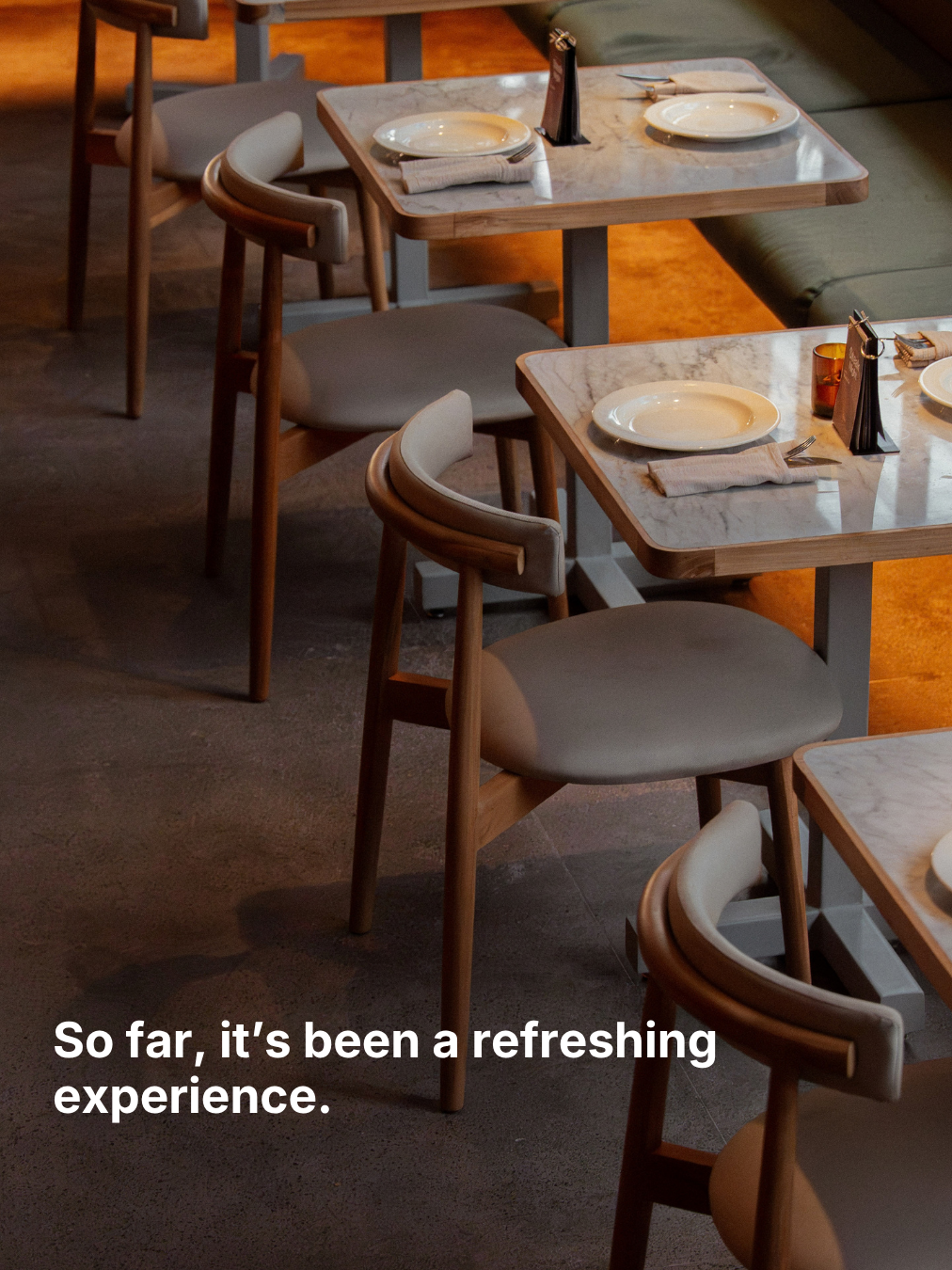
Now, I am building a sales and partnership pipeline for the first time, and although the process shares some familiar elements with what I have done before, the objectives are different.
When working with media and influencers, exposure is often a central goal because a collaboration can introduce a brand to new audiences, encourage people to discover a venue, and help shape how the brand is perceived. With commercial partnerships involving hotels, villas, travel agents, and other businesses, there is another consideration alongside visibility: how can the relationship contribute to the business and create value for both parties?
That question has changed how I think about partnerships.
It is no longer enough to consider whether two brands have similar audiences or whether a collaboration sounds appealing on paper. Those things are still important, but I am learning to look further into what each party hopes to achieve, whether the proposed arrangement makes commercial sense, and how the relationship could support the business beyond the initial agreement.
I am still getting used to thinking this way, especially when it comes to evaluating opportunities and understanding the commercial terms behind them, but I find the process rewarding because it builds on skills I have already developed while asking me to approach the work differently.
Communication is still important, as is knowing how to build and maintain relationships, but I am learning to connect those skills with a clearer understanding of the business objectives behind each opportunity. For me, that is one of the biggest differences between the work I used to do and the work I am learning to do now.
Understanding How Sales, Marketing, and Partnerships Work Together
One thing I am beginning to appreciate is that Sales, Marketing, and Partnerships cannot be treated as completely separate functions, particularly when the goal is to create opportunities that benefit the business in a tangible way.
Marketing helps communicate a brand’s identity and connect it with the right audience, while Sales focuses on identifying opportunities and developing them into business. Partnerships can bring these two areas together by connecting a brand with other businesses whose audiences, services, or objectives complement its own.
There is a bigger picture behind all of them, and understanding that picture requires more than knowing how to promote a product or introduce two businesses to each other.
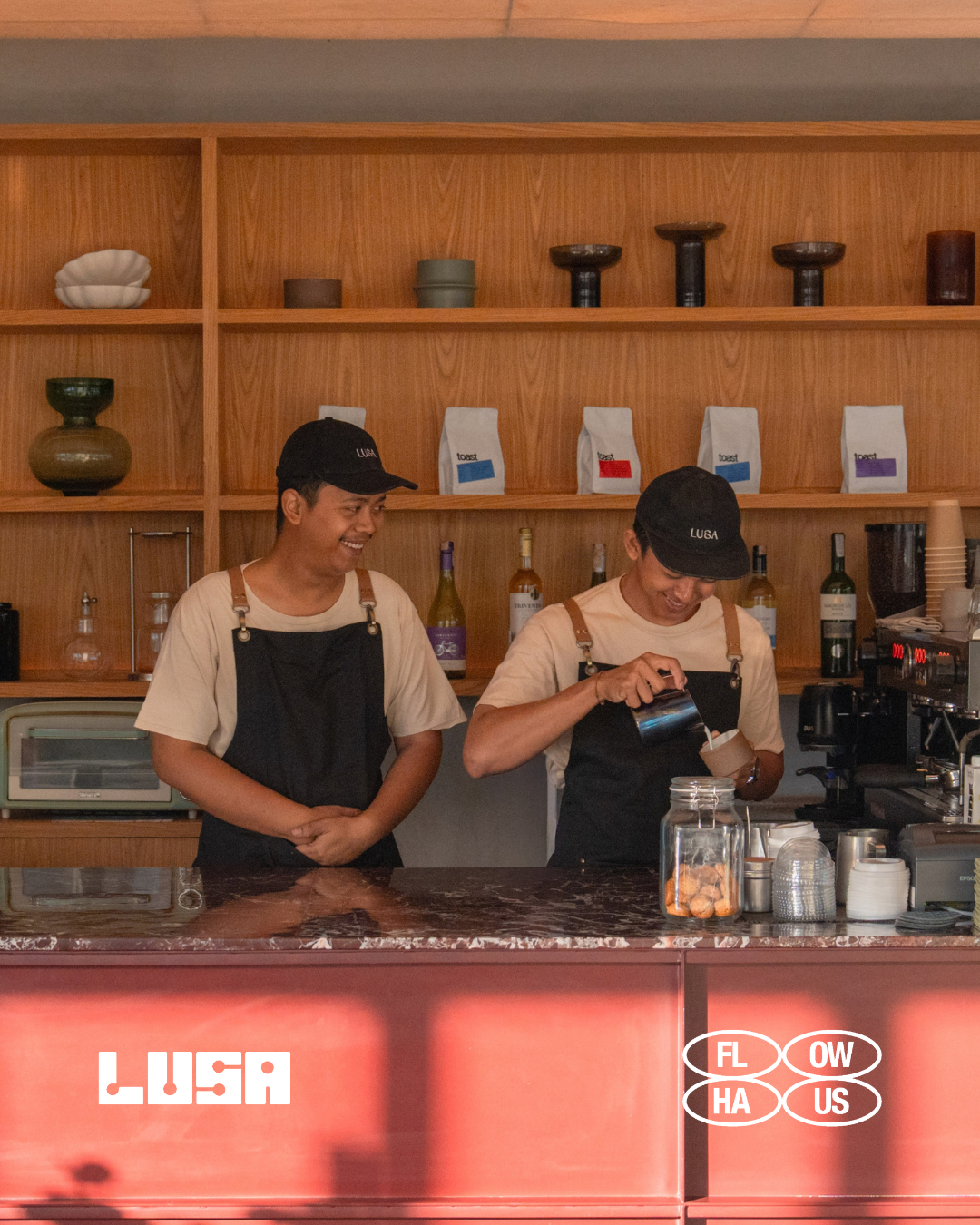
It means understanding the product itself, recognizing what makes a brand distinctive, identifying who might find it relevant, and considering how an opportunity could create value beyond the first conversation. It also means knowing when an idea fits the business and when it needs to be reconsidered.
This has become particularly relevant as I learn more about the different F&B concepts under FLOW HAUS PROJECT, each of which has its own identity, audience, and potential opportunities.
Even when several concepts belong to the same group, they cannot automatically be approached in exactly the same way. An arrangement that makes sense for one venue might not suit another, while a marketing message or partnership proposal that resonates with one audience may need a different approach for a different concept.
I am learning to look beyond whether an idea sounds good and consider whether it makes sense for the particular brand, the people we want to reach, and the business objectives we are trying to support.
That requires time spent understanding each concept, listening to internal teams, and learning more about the operational side of the business, because the more I understand what we are offering, the better equipped I can be to identify opportunities that genuinely fit.
I have always been interested in the relationship between a brand and its audience, but this role is helping me see how that relationship can connect more directly to business development and revenue.
The Work Behind Building a Partnership Pipeline
When I think about what I have been learning during this first month, much of it comes down to the conversations and follow-ups that happen behind the scenes.
I have been reaching out to potential partners, maintaining conversations, exploring opportunities with hotels and villas, and becoming more familiar with partnership arrangements, commissions, and other commercial terms. I am also learning about sales opportunities and group bookings, while continuing to understand how marketing campaigns and brand positioning support the wider business.
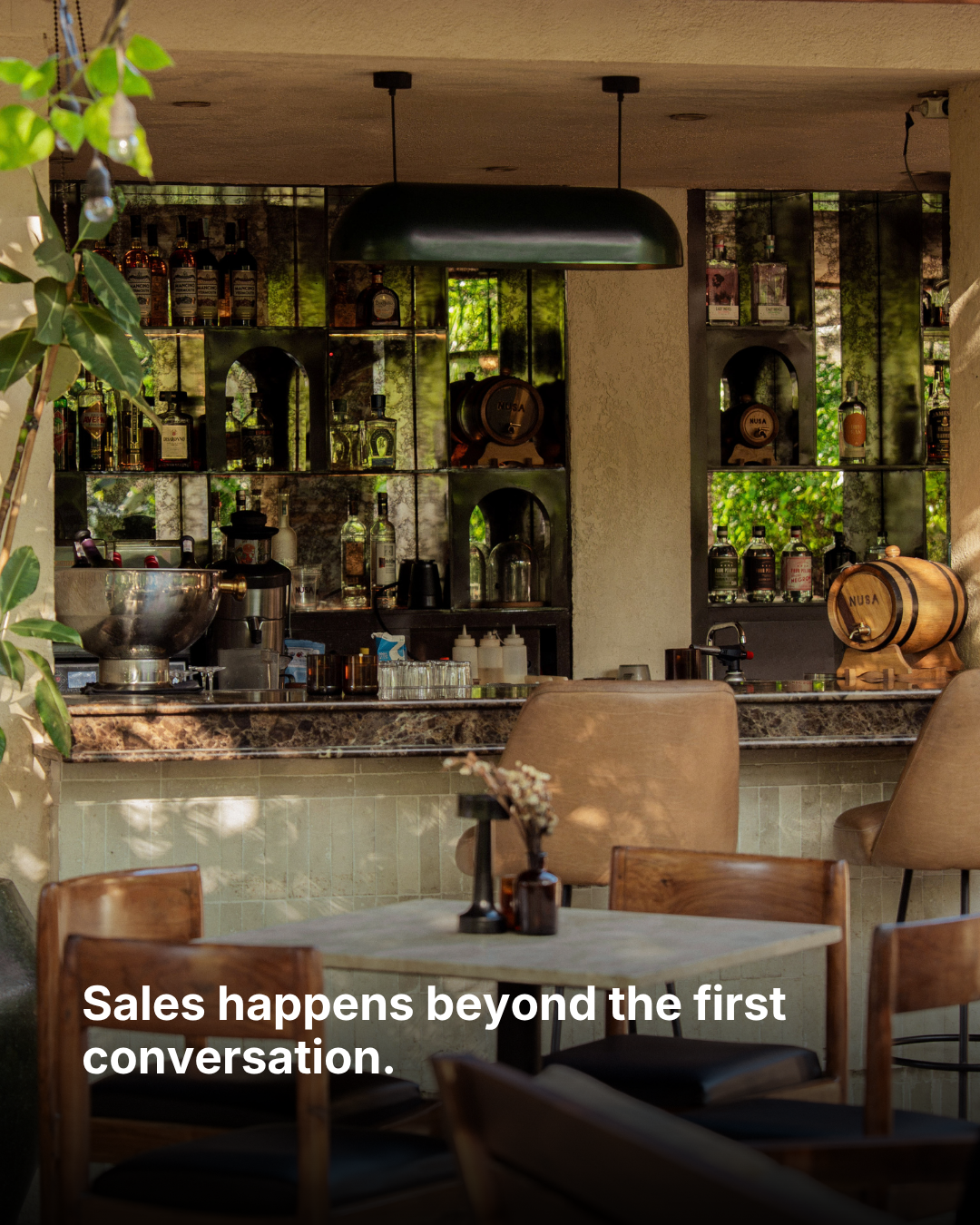
There are internal meetings and conversations to consider as well, because a partnership opportunity does not exist independently of the people and processes that make it possible.
The more I get involved, the more I understand that building a pipeline is not simply about gathering contacts or sending proposals to as many businesses as possible. It is about identifying relevant opportunities, understanding what each party needs, and finding a practical way to bring those needs together.
Then comes the follow-up, which is something I am learning to appreciate even more in this role.
I have always understood that relationships require communication, but developing commercial opportunities has shown me how important consistency can be when moving a conversation forward. An introduction might lead to a discussion, followed by a proposal or a conversation about the terms, and sometimes the next step is simply checking in to understand where things stand.
Not every opportunity will move forward immediately, and not every conversation will lead to a partnership, but that does not mean the process has no value. Some opportunities need more time, while others may reveal that the arrangement is not the right fit for either party.
I am learning that following up is not merely an administrative task at the end of an outreach process; it is part of how professional relationships develop, expectations are managed, and potential opportunities become clearer.
At the same time, I think there is a balance to find between being consistent and being pushy, because the goal is not to force every conversation toward a deal regardless of whether it makes sense. It is to understand where the other party stands, remain attentive to their needs, and recognize when there is a genuine reason to continue exploring the opportunity.
This is where my previous experience with relationship-building comes in handy, although I am now learning to approach those relationships with a different objective in mind.
Looking Beyond Discounts and Commissions
One of the things I am currently trying to figure out is how to develop partnership arrangements that go beyond the more familiar models, particularly when the starting point is a guest privilege or a commission-based arrangement.
For hotels and villas, this might mean offering a special discount to guests staying at a partner property, while certain concierge arrangements may involve commissions as part of the commercial structure. These models have their place because they give both parties a straightforward starting point, with a clear benefit or incentive attached to the collaboration.
However, I find myself wondering what else a partnership could look like when we take the time to understand what each business needs and what we might be able to create together.

Could there be other ways to make a collaboration more relevant to the partner, more valuable to their guests or clients, and more beneficial to the business? Are there opportunities to build arrangements around shared audiences, complementary services, or other needs that might not be addressed by a standard discount or commission alone?
I do not have all the answers yet, and I am not suggesting that every partnership needs a complicated or entirely new model, because sometimes a simple arrangement is exactly what works best. Still, I see room to explore how partnerships can become more intentional when we consider the needs of both businesses rather than focusing only on what we can offer at the beginning.
This is one of the areas where I hope to develop my thinking further, because understanding commercial terms is only part of building a partnership. There is also the question of whether the arrangement itself makes sense, how it supports each party’s objectives, and whether it gives both sides a good reason to maintain the relationship.
I want to become better at recognizing those opportunities, asking the right questions, and finding ways to connect commercial thinking with the brand and audience knowledge I have gained from my previous experience.
For now, I see it as a learning process, one that requires me to remain curious while accepting that not every idea will be suitable for every business.
Understanding the Business Beyond Communications
Another part of this transition is learning more about the operational side of F&B, because a brand is not just the image people see on social media, the message communicated through a campaign, or the concept introduced in a partnership proposal.
There is a product and a guest experience behind everything being communicated, and understanding those elements is important when trying to represent a business accurately and identify opportunities that genuinely fit.
In communications, understanding a brand helps us explain what makes it distinctive and why a particular audience might be interested in it. In Sales and Partnerships, that knowledge becomes even more important because it needs to connect with the expectations of potential partners and the commercial objectives of the business.
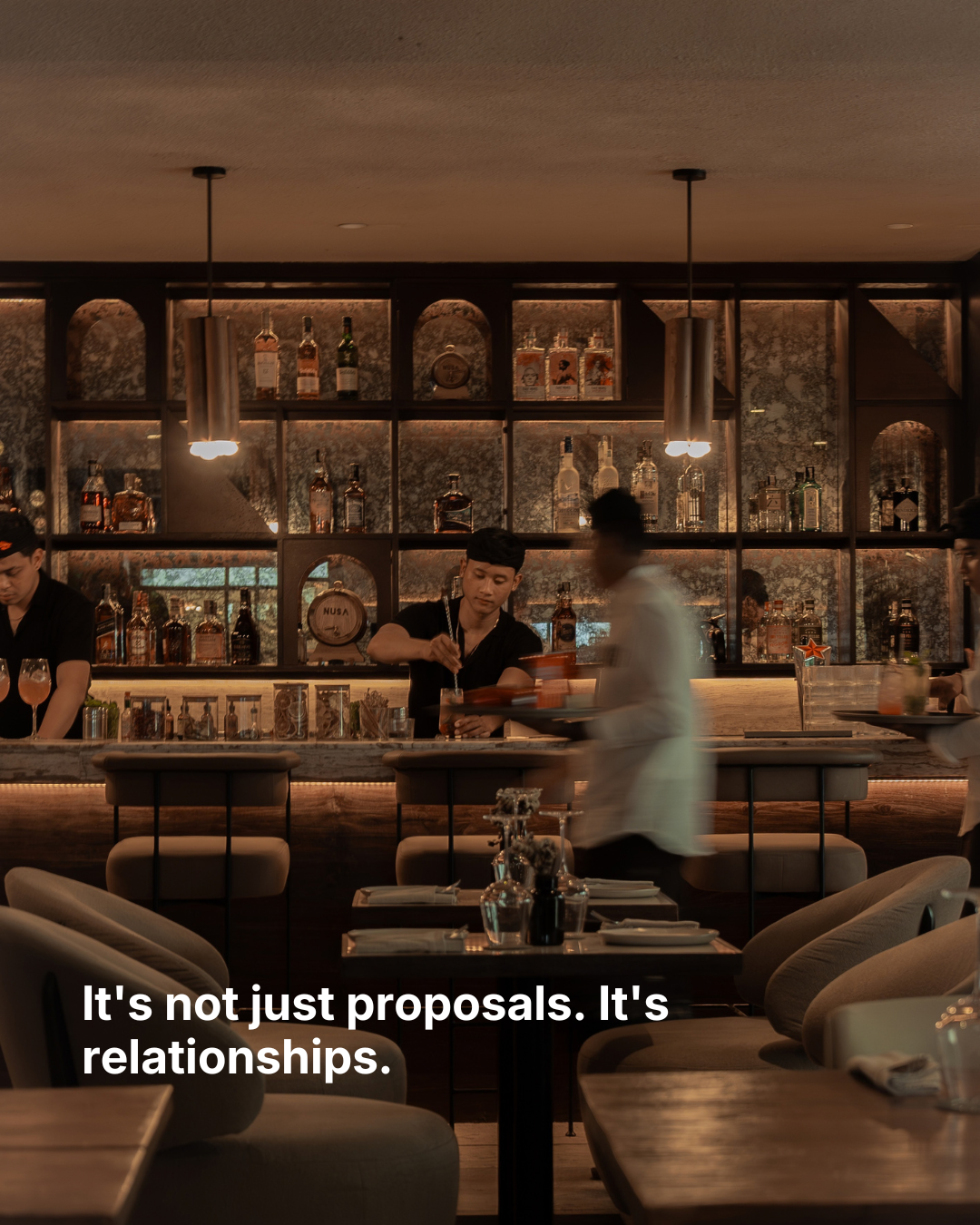
A proposal might sound attractive, but it still needs to make sense for the concept being represented, the audience being targeted, and the experience the business can deliver.
I am still learning about the operational side of F&B, and I know there is much more to understand, but I see this knowledge as an important part of becoming better at Sales and Marketing rather than something separate from my responsibilities.
The more I understand how each concept works and what makes its offering distinctive, the better equipped I can be to communicate its value, recognize suitable opportunities, and have more informed conversations with potential partners.
It is also a reminder that there is value in listening to the people who understand different parts of the business, because their perspectives can help me see considerations that might not be obvious when looking at a brand purely through a communications lens.
The Value of Being Able to Bring Ideas to the Table
One of the moments that has encouraged me most during this first month came through conversations with my Director of Sales and Marketing, the General Manager, and even the owner of FLOW HAUS PROJECT.
When I shared new ideas with them, I was encouraged by how open and enthusiastic they were about exploring how those ideas might work and how they could contribute to my role and the things I hope to achieve.

I do not mean that every idea will automatically become a project or that every suggestion will work exactly as imagined, because there is still a process of understanding the practical considerations, evaluating what makes sense, and figuring out how to move things forward.
What mattered to me was having the opportunity to bring those ideas into a conversation and explore them with people who were willing to consider the possibilities.
When you are new to a role, there is naturally a period of learning in which you are trying to understand the business, the existing processes, and the expectations attached to your responsibilities. At the same time, you bring your own experiences and perspectives, which can help you notice opportunities or approach familiar challenges from a different angle.

Having room for both is encouraging, because it allows me to learn without feeling that I need to have every answer before I can contribute something useful.
For me, this means continuing to draw on my background in communications and relationship-building while developing a stronger understanding of sales, revenue, and commercial value. I can bring ideas to the table, but I also need to remain open to feedback, ask questions, and understand the business well enough to determine which ideas are worth pursuing.
I am still finding my footing, but those conversations have made me feel more encouraged about what I might be able to explore in this role.
Bringing My Previous Experience Into a New Chapter
One thing I do not want to lose in this transition is the experience I have already gained, because moving into a different area of the industry does not make the skills I developed previously any less relevant.
My background in PR and Marketing Communications has taught me to think about storytelling, audience understanding, brand identity, and the relationships that help a business reach people. It has also given me experience coordinating across departments, managing expectations, and understanding how campaigns are planned and communicated.
I can see those skills connecting naturally with the work I am doing now, although I am learning to apply them with a broader commercial perspective.

Communication helps me explain an opportunity clearly, while storytelling and brand positioning help me think about how a concept should be introduced to a potential partner. Understanding audiences helps me consider whether a business is a suitable fit, and relationship-building helps me maintain conversations while learning how to negotiate arrangements and manage expectations.
The difference is that I am now learning to consider how those activities support wider business objectives, including sales, revenue, and the creation of mutual value.
Previously, I might have evaluated a collaboration primarily through the lens of visibility and communications, whereas now I am learning to consider how the same relationship might contribute to commercial opportunities and the longer-term development of a partnership.
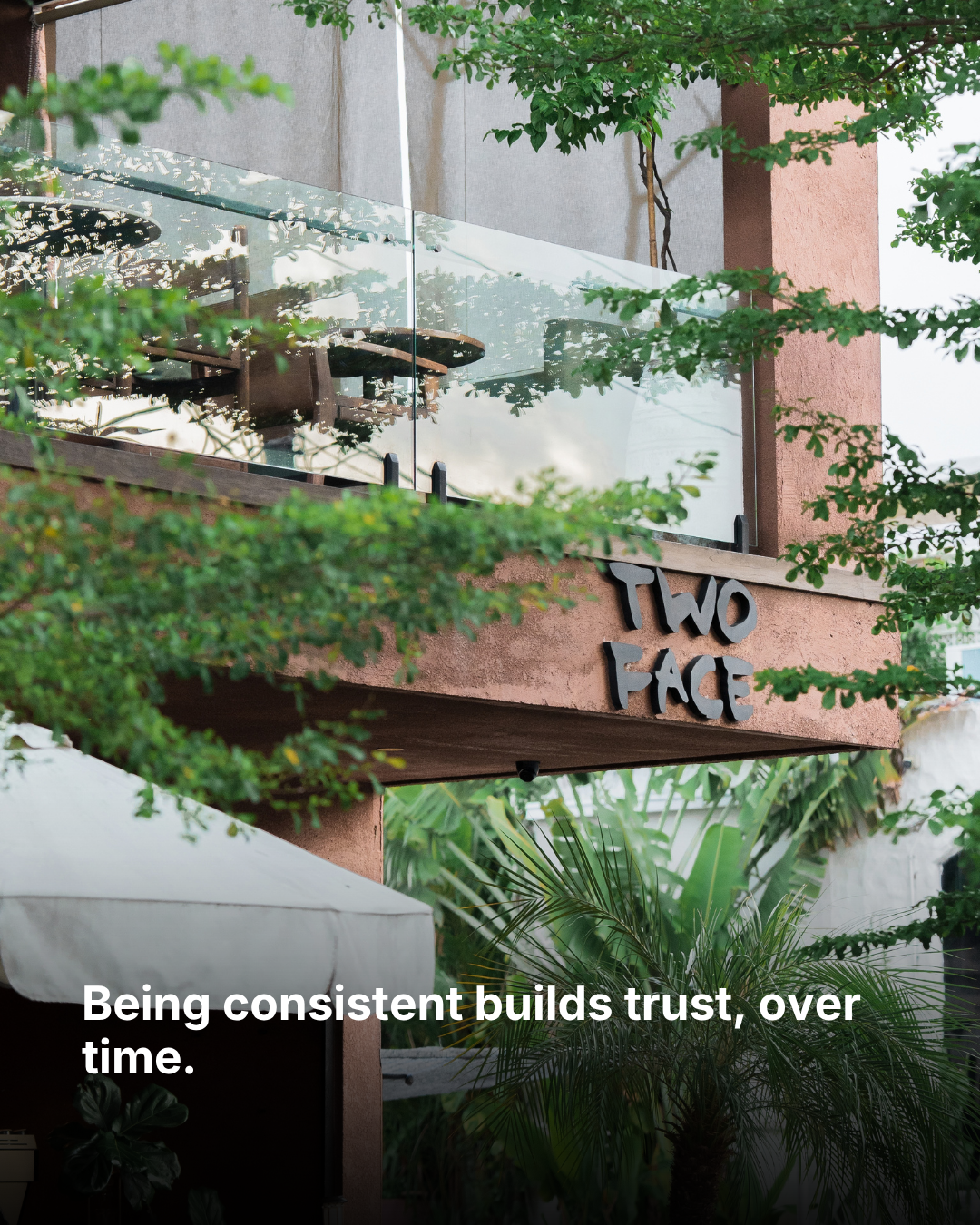
That shift has helped me recognize that career growth does not always mean replacing one skill set with another, because sometimes it means expanding what you can do with the skills you already have.
Of course, there are new things to learn, and I am becoming more comfortable with commercial conversations while getting familiar with partnership terms and thinking about opportunities as part of a pipeline rather than as individual conversations.
I expect that understanding will take time and practice, so I am trying to give myself room to learn instead of expecting myself to know everything simply because I have worked in hospitality before.
Learning to Understand Before Proposing
If there is one principle I keep coming back to during this first month, it is the importance of understanding a situation before deciding what to do about it.
When you enter a new role, it is natural to feel excited about the possibilities, particularly when you start noticing things you might want to improve or ideas you would like to explore. I feel that excitement, too, because there are always conversations to start, opportunities to consider, and questions that make me curious about what might be possible.

However, I am learning that having an idea is only the beginning of the process.
Before proposing a solution, I need to understand the problem. Before approaching a potential partner, I need to understand the brand I represent and what the business hopes to achieve. Before deciding that a partnership arrangement could work, I need to consider whether it makes sense for the people and businesses involved.
Sometimes, that means asking more questions than I initially expected or taking a step back to listen to people who understand a particular part of the business better than I do. Other times, it means accepting that I do not have the answer yet, which is not always comfortable when I am eager to contribute but is still part of learning a new role properly.
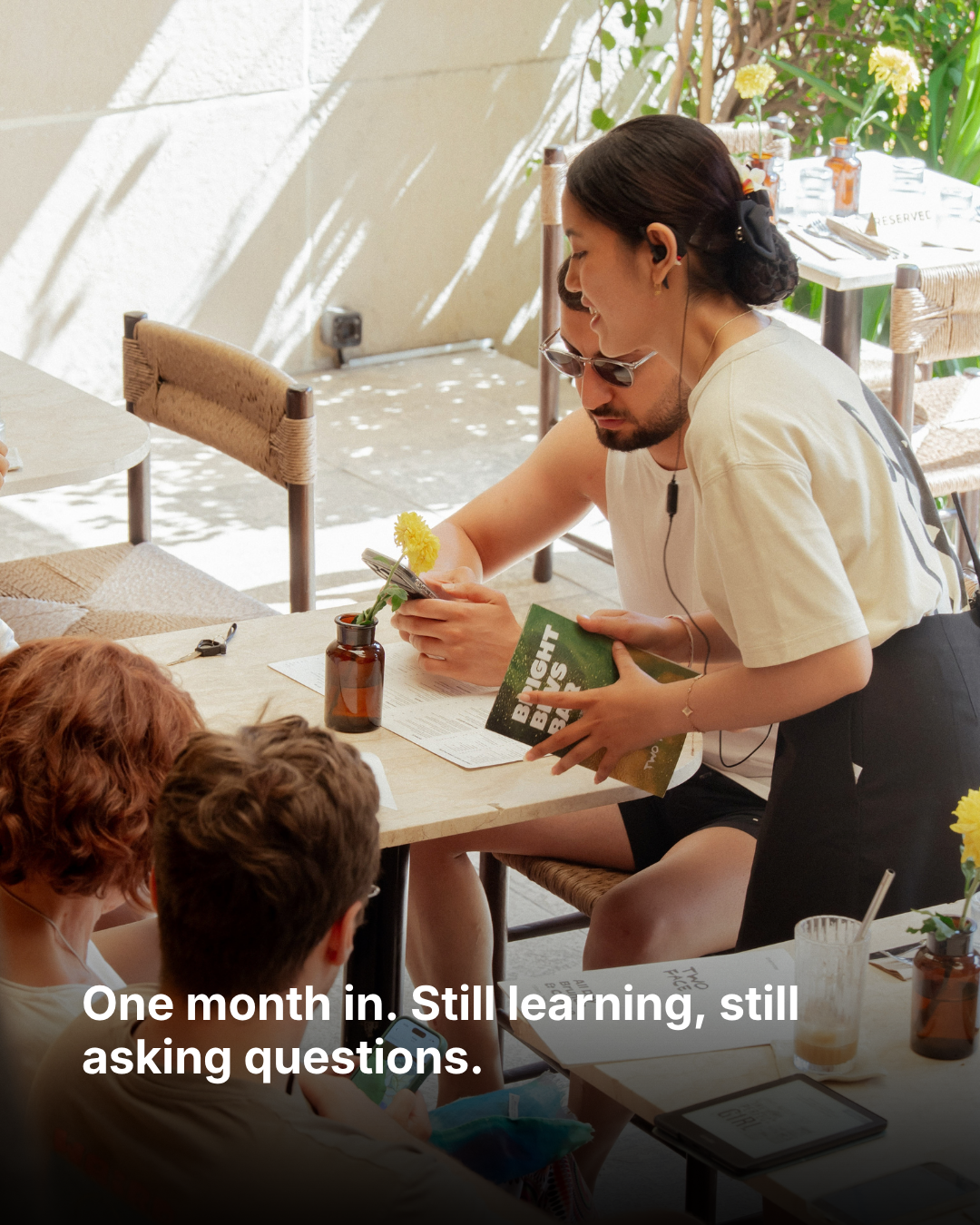
I do not think growth is always about proving how quickly you can change something or how many ideas you can bring forward. There is also value in observing how things work, understanding the existing processes, and figuring out where your contribution can make a meaningful difference.
That feels especially relevant when working across multiple F&B concepts, where an idea needs to fit the realities of the business rather than exist only as something that sounds good in a meeting.
I want to keep bringing ideas into the conversation, but I also want to develop the understanding needed to make those ideas useful.
A Different Perspective, Not a Completely Different Beginning
As I reflect on my first month at FLOW HAUS PROJECT, I know I still have a lot to figure out, from developing a partnership pipeline and understanding commercial arrangements to learning how different F&B concepts can approach opportunities in ways that suit their identities and business objectives.
There will be conversations that teach me something new, ideas that need adjusting, and opportunities that help me understand what works and what does not, but I think that is part of what makes this chapter exciting.
I came into this role with experience in PR and Marketing Communications, and I am discovering that those experiences are not separate from the work I am doing now; they are part of the foundation I can continue building on as I learn to approach the industry from a different perspective.

I am beginning to see partnerships not only as collaborations, but as relationships that need a clear purpose and mutual value. I am learning to think about marketing not only as communication, but as something that needs to connect with the business, and to look at sales not simply as closing a deal, but as understanding people, identifying opportunities, and finding ways to turn conversations into something meaningful.
There is still a long way to go, and I am sure the coming months will bring new questions and challenges that I cannot anticipate yet, but I want to approach them with the same curiosity that has made this first month an interesting learning experience.
For now, I am taking things one step at a time, listening to the people around me, asking questions, and learning to connect the different pieces of the business while figuring out where my own experience can contribute.
Because sometimes, career growth is not about starting over or leaving everything you have learned behind. It is about bringing those experiences with you, allowing yourself to learn something new, and gradually discovering what becomes possible when you begin to see familiar things differently.




Leave a Reply